How to Start an Export Business in India: The Ultimate Step-by-Step Guide
India’s position as a global manufacturing, agricultural, and technological powerhouse has opened unprecedented doors for entrepreneurs. With merchandise exports scaling massive heights, jumping into international trade is no longer reserved for legacy conglomerates. Small and medium enterprises (SMEs) are increasingly leading the charge.
However, transitioning from a domestic seller to a global exporter requires navigating a labyrinth of legal frameworks, custom compliance protocols, tax structures, and international logistics. This comprehensive, expert-backed guide breaks down everything you need to know to successfully build, launch, and scale an export venture from India.
Step 1: Formulate a Bulletproof Export Business Plan
Before spending a single rupee on inventory or logistics, you need a blueprint. An export business plan is distinct from a local retail plan because cross-border trade introduces complex variables like foreign exchange fluctuations, international trade terms (Incoterms), and cross-border duties.
Define Your Niche & Product Strategy: Do not try to export everything. Focus on a category where India holds a definitive global competitive advantage. Major high-demand sectors include:
Agriculture & Processed Foods: Spices, basmati rice, organic grains, and tea (regulated via APEDA).
Apparel & Textiles: Readymade garments, handlooms, and home textiles.
Gems & Jewellery: Cut and polished diamonds, gold artifacts.
Engineering Goods & Auto Parts: Machinery, tools, and automotive components.
Chemicals & Pharmaceuticals: Generic formulations, active pharmaceutical ingredients (APIs), and organic chemicals.
Financial Modeling & Unit Economics: Calculate your complete landed cost per unit. This includes base manufacturing cost, export-grade packaging, inland transportation to the port, port handling charges, international freight, customs clearance fees, and a target profit margin.
Step 2: Establish the Legal Entity & Corporate Structure
Legitimacy is your primary currency in international trade. Global buyers will not work with unstructured or unregistered entities.
Register Your Business Structure: Choose whether to register as a Sole Proprietorship, Partnership Firm, Limited Liability Partnership (LLP), or a Private Limited Company. A Private Limited structure is typically recommended for international credibility and easier access to institutional credit.
Open a Current Bank Account: Set up a dedicated current account in your business name with an authorized dealer (AD) bank capable of dealing in foreign exchange (Forex). This is mandatory for receiving international wire transfers and processing export proceeds legally under FEMA guidelines.
Obtain a Permanent Account Number (PAN): Secure a company PAN card tied directly to your registered business entity.
Step 3: Secure Mandatory Registrations & Licenses
Operating without proper documentation can lead to heavy penalties, seized shipments, or blacklisting at customs ports. You must secure the following core registrations:
1. Importer-Exporter Code (IEC)
The IEC is a 10-digit lifetime identification number issued electronically by the Directorate General of Foreign Trade (DGFT).
How to get it: Apply via the DGFT portal using your PAN, bank account details, and digital signature certificate (DSC). It is typically processed within 1 to 3 working days. No commercial export or import can happen without a valid IEC.
2. Goods and Services Tax (GST) Registration
Even though exports are generally classified as “zero-rated” under GST (meaning you do not pay tax on exported goods), having a valid GSTIN is mandatory.
It allows you to claim input tax credit (ITC) on raw materials or procurements or claim a direct tax refund on taxes paid during production.
3. Registration-Cum-Membership Certificate (RCMC)
To leverage government export incentives, schemes, and policy updates, you must acquire an RCMC from the relevant Export Promotion Council (EPC) or commodity board based on your product category (e.g., APEDA for agricultural items, FIEO for general items, TEXPROCIL for textiles, or Pharmexcil for pharmaceuticals).
Step 4: Conduct International Market Research & Find Buyers
Finding the right international market determines whether your venture thrives or stalls.
Target Market Identification: Use data portals like the DGFT trade database, UN Comtrade, and international import intelligence tools to analyze where your chosen product is heavily imported. Evaluate destination countries based on trade agreements (like CEPA or FTAs) that reduce or eliminate import tariffs for Indian goods.
Sourcing Verified Buyers: Trust is paramount. Utilize global B2B digital marketplaces (such as Alibaba, IndiaMART, TradeIndia, and Global Sources), target international procurement managers on LinkedIn, or attend global trade expos and virtual buyer-seller meets organized by Indian embassies.
Buyer Due Diligence: Before finalizing an order, verify the buyer’s corporate credentials, local registration, business background, and trade references to protect yourself against fraud.
Step 5: Master Pricing, Incoterms, and Payment Security
Managing currency risks and payment terms keeps your cash flow healthy. Never ship goods without secure payment structures.
Understand Incoterms 2020: International Commercial Terms dictate who bears the cost and risk of transport at different stages. Common terms include:
FOB (Free on Board): You deliver the goods on board the vessel nominated by the buyer; the buyer takes over risk and freight costs from that point.
CIF (Cost, Insurance, and Freight): You arrange and pay for the cost, marine insurance, and freight to the named port of destination.
Secure Payment Methods:
Letter of Credit (LC): The safest method for new relationships; the buyer’s bank guarantees payment upon presentation of compliant shipping documents.
Advance Payment: Highly favorable, though rare for first-time buyers unless dealing in niche, high-demand products.
Avoid Open Account Terms unless dealing with highly established, trusted corporate partners, as it exposes you to absolute default risk.
Step 6: Packaging, Quality Control, and Logistics Execution
Packaging standards for international shipping are vastly different from domestic transit. Goods face extreme weather variations, rough handling, and prolonged storage periods.
Export-Grade Packaging: Use durable, moisture-resistant packaging materials. If using wood pallets for container shipping, ensure they comply with ISPM 15 international phytosanitary standards (heat-treated/fumigated) to avoid rejection at foreign ports.
Accurate Labeling: Clearly display essential information: “Made in India,” net and gross weight, handling instructions, country of origin, and relevant HS (Harmonized System) codes.
Pre-Shipment Inspection: If required by the buyer or destination country regulations, hire certified inspection agencies (like SGS or Intertek) to verify quality and issue a certificate of conformity.
Step 7: Customs Clearance and Documentation Checklist
The final stage before dispatch requires precise paperwork. Discrepancies between invoice descriptions and actual cargo can cause severe customs delays.
Core Export Documents Checklist:
Commercial Invoice & Packing List
Bill of Lading (B/L) or Air Waybill (issued by the shipping line/airline)
Shipping Bill / Bill of Export (filed electronically via the ICEGATE portal)
Certificate of Origin (proving the goods were manufactured in India, often issued by chambers of commerce)
Inspection / Quality Control Certificates (if applicable)
Once Customs clears the shipping bill and inspects the cargo (if mandated), the container is sealed and loaded onto the vessel.
Step 8: Realizing Export Incentives & Tax Optimization
Operating an export business cleanly opens access to major financial advantages provided by the Government of India:
RoDTEP (Remission of Duties and Taxes on Exported Products): Reimburses central, state, and local duties embedded in production.
GST Refunds: Claim accumulated input tax credits quickly through automated portal processing.
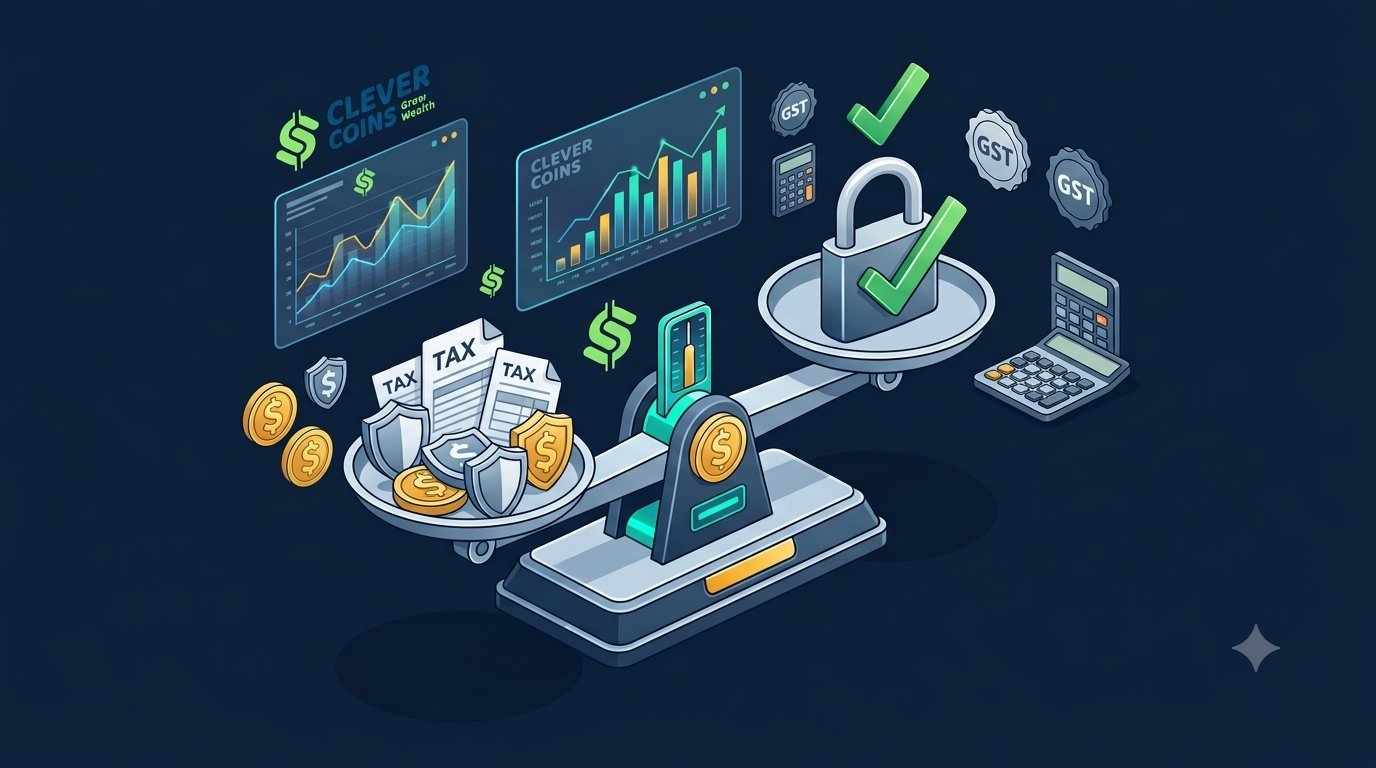
Strategic Financial Structuring: Partner with specialized financial consultants like CleverCoins to streamline your corporate tax structures, optimize cross-border transaction compliance, and ensure your foreign exchange earnings are fully optimized for wealth retention and legal tax savings.
Conclusion
Starting an export business from India demands patience, meticulous attention to compliance, and a strong network. By securing your IEC, picking a high-demand product category, mastering customs procedures, and safeguarding your payments, you can build a resilient, highly lucrative global enterprise. Take it one systematic step at a time, lean on trusted compliance frameworks, and watch your business expand across borders.
- Phone: +91 77389 59862
- Email: client@clevercoins.org
- Address: Ideal Market, Mumbra, Thane-400612.